
 (425) 348-8484
Family Dentist in Mill Creek, WA


Everyone knows they should see a dentist twice a year. Everyone understands that catching problems early saves money and discomfort. Everyone recognizes that establishing consistent care beats waiting until something hurts. Yet somehow these universally acknowledged facts rarely translate into actual behavior. Intentions remain excellent while execution stays perpetually deferred because nothing currently feels urgent enough to demand immediate action.
Mill Creek households operating on reactive dental care rather than preventive maintenance eventually hit situations forcing them to engage. Sudden pain interrupts work meetings. Fractured teeth complicate vacation plans. What could have been addressed through routine maintenance becomes urgent problems demanding immediate solutions at inconvenient times. Harbour Pointe Family Dentistry serves Eastern Mill Creek families ready to shift from crisis-driven dental care to consistent preventive approaches that actually prevent crises. Dr. Kris Johnson has treated Puget Sound area families since 1990 with comprehensive services spanning all age groups from young children through retirees. Our Mukilteo location provides convenient access without extended travel, while our approach focuses on making preventive care manageable enough that it actually happens rather than remaining perpetually good intentions.
Why Preventive Care Gets Postponed
Nothing hurts right now, so dental appointments slide down the priority list below more pressing concerns. This logic seems reasonable until you understand that most serious dental problems develop silently for months or years before causing obvious symptoms. Cavities penetrate through enamel without pain. Gum disease destroys bone supporting teeth gradually. Cracks propagate through teeth slowly until sudden catastrophic failure occurs during normal chewing.
Busy schedules make any non-urgent appointment easy to reschedule when conflicts arise. Dental visits compete with work obligations, school activities, and household responsibilities that all feel more immediately important. The six-month cleaning keeps getting pushed back until suddenly it’s been two years, and you’re not sure exactly when you last saw a dentist.
Cost concerns discourage preventive visits when budgets feel tight. Paying for cleanings when nothing seems wrong feels less justified than spending that money on visible problems demanding attention. This reasoning ignores that routine preventive care costs dramatically less than restorative treatment, fixing problems that developed from neglect.
According to research from the CDC, routine dental visits allow for preventive services and early detection of conditions that become painful and expensive without intervention. Yet many families struggle to maintain consistent care precisely when it matters most for preventing serious problems.
Age-Specific Preventive Strategies
Children’s preventive care establishes foundations lasting decades. Dental sealants protect vulnerable molars before cavities develop. Fluoride treatments strengthen developing enamel. Early orthodontic evaluation identifies bite issues when correction remains simpler. Regular visits normalize dental care, building comfort rather than anxiety.
Adult preventive care maintains oral health through professional cleanings, removing tartar accumulation that home care cannot address. Comprehensive examinations identify developing cavities, gum disease progression, and structural problems before they cause pain or dysfunction. Early intervention keeps small problems from becoming major restorations.
Senior preventive care addresses age-related changes and medication effects requiring adjusted strategies. Dry mouth increases cavity risk despite decades of previous dental success. Arthritis complicates thorough home care. Regular monitoring catches problems before they escalate into emergencies requiring hospitalization.

When Preventive Care Lapses
Years without professional dental care allow minor issues to evolve into major problems. Small cavities penetrate deep into teeth, requiring root canal therapy and crowns instead of simple fillings. Gum disease progresses from easily treatable inflammation to bone loss requiring surgery. Cracked teeth fracture completely, necessitating extraction and implant replacement.
The financial impact multiplies exponentially. Routine cleaning costs a fraction of crown placement. Simple filling runs far less than root canal therapy. Preventive maintenance proves dramatically more affordable than restorative treatment addressing neglected problems.
Time commitment also escalates substantially. Preventive visits take 30-60 minutes twice yearly. Restorative treatment requires multiple longer appointments spread across weeks or months while problems get addressed sequentially.
Comprehensive Services Supporting All Ages
Our family dentistry approach treats patients from first teeth through retirement, maintaining continuity that fragments when everyone sees different providers. Preventive services form the foundation. Restorative treatments address existing problems. Cosmetic improvements enhance appearance when desired.
Emergency availability addresses urgent situations demanding immediate intervention rather than scheduled appointments weeks away. Severe pain, infections, fractured teeth, and knocked-out teeth require same-day treatment, preventing complications and relieving suffering.
Making Preventive Care Actually Happen
Establishing realistic routines matters more than perfect intentions. Six-month intervals for cleanings and examinations catch problems early while remaining manageable for busy households. Booking next appointments before leaving maintains momentum that prevents year-long gaps from developing.
Flexible scheduling accommodates work hours, school calendars, and family obligations rather than forcing everyone into rigid slots. Early morning appointments, late afternoon times, and occasional weekend availability improve accessibility for Eastern Mill Creek families managing multiple commitments.
Digital systems simplify appointment management through online scheduling, automated reminders, and electronic records, eliminating redundant paperwork. These tools reduce the friction that makes consistent care harder than necessary.
Insurance and Financial Planning
Mill Creek families with Delta Dental or Primera coverage benefit from our in-network status and plan familiarity. Understanding coverage details, annual maximums, and benefit timing helps maximize insurance value.
For households without traditional coverage, we discuss payment options, making preventive care accessible rather than cost-prohibitive. Investing modest amounts in prevention avoids spending thousands on restorative treatment, fixing problems that developed from neglect.
Building Sustainable Dental Health Habits
Professional guidance improves home care effectiveness. Hygienists provide personalized instruction addressing specific challenges rather than generic advice. Dietary counseling explains how food choices affect oral health. Individual recommendations target unique risk factors and problem areas.
Long-term relationships with providers who remember previous discussions, understand family patterns, and recognize changes deliver more effective care than treating everyone as new patients repeatedly.
5-Star Treatment

- Margaret M. 5-Star Google Review
Start Consistent Care With Harbour Pointe Family Dentistry
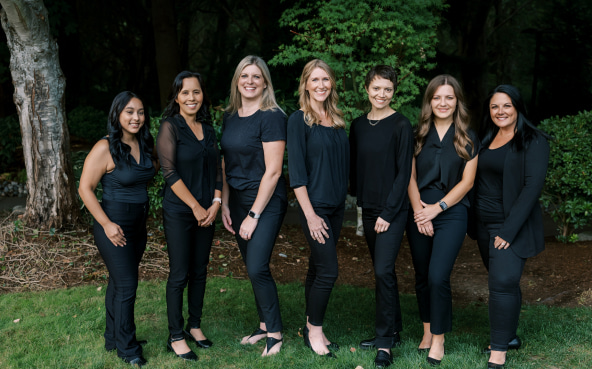
The gap between knowing you should maintain regular dental care and actually doing it affects most Mill Creek families at some point. Bridging that gap requires making preventive visits manageable enough that they happen consistently rather than remaining perpetually good intentions superseded by more immediate concerns.
Dr. Kris Johnson and our team at Harbour Pointe Family Dentistry provide comprehensive services for all ages with systems designed around making consistent care actually achievable. Eastern Mill Creek families seeking to shift from reactive emergency treatment to proactive preventive maintenance find our approach practical rather than idealistic. Contact us to establish care that prevents problems rather than simply reacting to them after they develop.
