 (425) 348-8484
Toothbrush Tell-All: Tips to Choose the Right Toothbrush
 by Harbour Pointe Family Dentistry
✓ We accept Delta Dental, Primera & most major insurance · Boeing employees welcome View insurance & financing →
Medically Reviewed by Dr. Kris A. Johnson, DDS on July 31, 2026
The right toothbrush is simply one with soft bristles, a head that comfortably reaches every surface of your mouth, and the American Dental Association (ADA) Seal of Acceptance, whether you land on a manual or an electric model. Beyond that, the details come down to your own hands, gums, and habits.
At Harbour Pointe Family Dentistry, we talk toothbrushes with patients of every age, from toddlers cutting their first teeth to grandparents managing arthritis, because this small daily habit plays a big role in the preventive care we build every visit around. This guide walks through what actually matters when you shop for a toothbrush, plus the technique and care habits that help it do its job.
A Quick History of the Toothbrush
Toothbrushes have come a long way, and knowing where they started makes today’s options easier to appreciate.
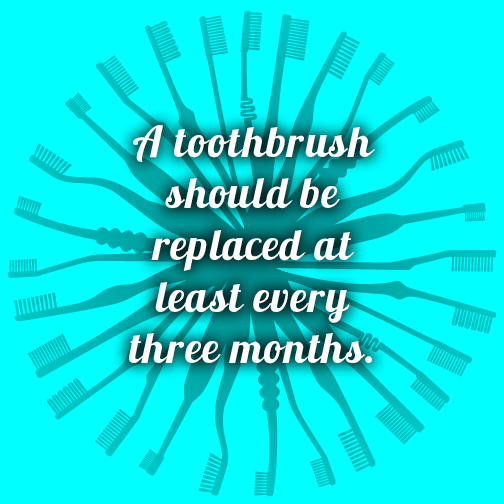 That last fact makes us grateful for how far toothbrush design has come. With so many options lining the aisle today, the question is simply which one is right for you.
Start With the ADA Seal of Acceptance
Whatever style you land on, look for the ADA Seal of Acceptance on the package. To earn it, a toothbrush has to pass independent testing that verifies its safety and effectiveness, so the seal gives you a fast way to narrow the field before you compare bristles, head sizes, and handles.
Choosing the Right Bristles and Head Size
Bristle firmness affects how safely and thoroughly a toothbrush cleans, so it helps to see the differences side by side.
Head size and handle design matter too. A smaller head reaches your back teeth more comfortably, and a handle with a thicker grip or non-slip texture can make brushing easier for younger kids or family members managing arthritis. If you are shopping for a child, our children’s dentistry team is always happy to point you toward age-appropriate options at a checkup.
Manual vs. Electric: Which One Is Right for You?
Whether you should use a powered toothbrush or a manual one comes down to preference. Some people do not like the vibration or weight of an electric brush, while others like the built-in timer and extra plaque removal. Either style works well when it is paired with good technique.
For a closer side-by-side look at specific models and features, our guide to choosing the best toothbrush goes even deeper. Electric brushes tend to be especially helpful for a few groups:
Brushing Technique That Actually Protects Your Smile
The best toothbrush still depends on how you use it. Follow these steps every time you brush:
Signs It Is Time for a New Toothbrush
A toothbrush loses effectiveness long before it looks obviously worn out. Watch for these signals:
For a deeper look at how brushing habits affect replacement timing, see our full guide on how often to replace your toothbrush.
Caring for and Storing Your Toothbrush Between Uses
How you store your toothbrush between brushing sessions matters almost as much as which one you buy. A few simple habits keep it working as intended:
- Rinse thoroughly after every use to clear away toothpaste and debris from the bristles.
- Store it upright and let it air dry rather than sealing it in a travel case or closed container, since trapped moisture allows bacteria to grow.
- Keep it a few inches from other toothbrushes if you share a holder with family members.
- Never share a toothbrush with anyone else, even briefly, to avoid passing along germs.
These habits, paired with the ADA Seal of Acceptance and a replacement schedule you can stick to, go a long way toward protecting the results of every cleaning we do together.
How We Can Help You Build a Stronger Brushing Routine
Dr. Johnson and our hygiene team check in on brushing technique at every routine cleaning, since even a great toothbrush cannot make up for a rushed or overly forceful routine. We look at how your gums and enamel are responding to your current brush and bristle type and adjust our recommendations to fit your specific mouth, not a generic one-size-fits-all answer.
If it has been a while since your last checkup, or you simply want a second opinion on your current toothbrush and technique, we would love to see you. Our team is ready to answer your questions and build a routine that works for your whole family through our contact page.
Frequently Asked Questions About Choosing a Toothbrush
Should I choose a manual or electric toothbrush?
Both styles clean teeth effectively when they are used correctly with soft bristles for two minutes, twice a day. Electric brushes often include a built-in timer and require less manual effort, while manual brushes cost less and are easy to find anywhere. The right choice comes down to your personal comfort and preference.
What bristle type and head size should I look for?
Soft bristles are recommended for nearly everyone, since medium or hard bristles can wear away enamel and contribute to gum recession over time. A smaller toothbrush head generally reaches back teeth more comfortably than a larger one, so it is worth trying a few sizes to see what fits your mouth best.
How often should I replace my toothbrush?
Plan on replacing your toothbrush or electric brush head about every three months, or sooner if the bristles look frayed or splayed. You should also swap your brush after recovering from a cold, flu, or other illness to avoid reintroducing germs.
Is it really necessary to brush my tongue?
Yes. Bacteria that build up on the tongue can contribute to bad breath and affect your overall oral hygiene, so a gentle pass over the tongue after brushing your teeth rounds out a thorough routine.
Can I share a toothbrush with a family member?
No, sharing a toothbrush is not recommended for anyone in the household, even close family members. Toothbrushes can pass along bacteria and viruses, so each person, including young children, should have their own brush stored separately.
About the Author
Lead Dentist, Harbour Pointe Family Dentistry
Dr. Johnson leads the team at Harbour Pointe Family Dentistry in Mukilteo, WA, focusing on comprehensive family and cosmetic dental care in a calm, patient-centered environment.