
 (425) 348-8484
Oral Cancer Awareness Month: Are You at Risk?
 by Harbour Pointe Family Dentistry
✓ We accept Delta Dental, Primera & most major insurance · Boeing employees welcome View insurance & financing →
April is Oral Cancer Awareness Month, and the single most useful fact to know about this disease is that early detection makes an enormous difference in outcomes. Oral cancer is not rare, and it is not something only “other people” get. It affects the lips, tongue, cheeks, floor of the mouth, and throat, and it can develop in patients with no obvious risk factors at all.
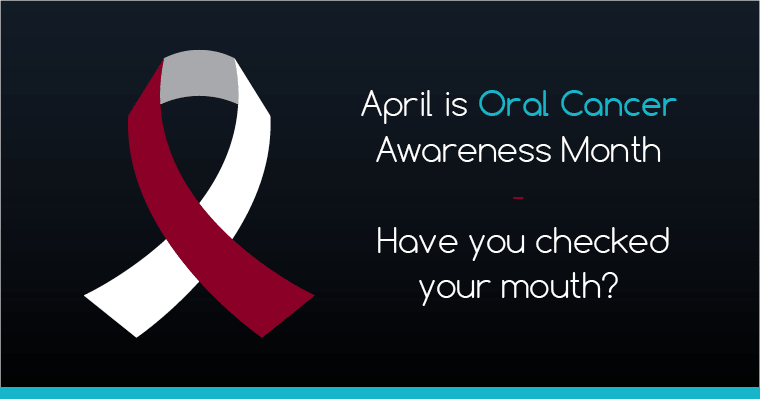
According to the American Cancer Society, an estimated 60,480 people in the United States are expected to be diagnosed with oral cavity or oropharyngeal cancer this year, and roughly 13,150 are expected to die from it. The reason this disease is so often fatal is not that it is hard to diagnose. It is that it is usually found late, after it has already spread. Regular screening and knowing your own risk factors are the two biggest things you can control.
Know Your Risk Factors
Oral cancer can affect anyone, but certain habits and exposures raise the odds significantly. The most well-documented risk factors include:
Tobacco use in any form, including smoking, chewing tobacco, and vaping
Heavy alcohol use, especially combined with tobacco
HPV exposure, now a leading cause of oropharyngeal cancers in younger, nonsmoking adults
Prolonged sun exposure on the lips without protection
Age over 55 and a personal or family history of cancer
Chronic poor oral hygiene or ongoing irritation from ill-fitting dental appliances
Vaping is often assumed to be a safer alternative to smoking, but the evidence does not support that assumption. We break down what is currently known in Vaping: Is It Safe? if tobacco or vaping use applies to you or someone in your household.
Recognize the Symptoms
A monthly self-exam takes less than a minute and can catch changes early. Using a bright light and a mirror, check your cheeks, tongue, the inside of your lips, and your gums for:
- White or red patches of tissue
- Sores that bleed easily or do not heal within two weeks
- Abnormal lumps or thickened areas of tissue
- A chronic sore throat or hoarseness
- A lump or mass in the neck
- Persistent difficulty chewing, swallowing, or moving the jaw or tongue
None of these symptoms guarantee a cancer diagnosis, and most have far more common, benign explanations. Still, if you notice any of them lasting more than two weeks, contact your dentist promptly rather than waiting to see if it resolves on its own.
What Happens During an Oral Cancer Screening
A screening is quick, painless, and typically built into your regular dental exam. Your dentist will visually examine your lips, cheeks, gums, tongue, and the roof and floor of your mouth, then gently feel your jaw and neck for any unusual lumps or firm areas. This is one more reason routine checkups and cleanings twice a year matter beyond just cavity prevention.
Frequently Asked Questions About Oral Cancer
How often should I get screened for oral cancer?
An oral cancer screening is typically included in your routine dental checkup, so visiting twice a year covers this for most patients. Anyone with elevated risk factors, such as tobacco or heavy alcohol use, may benefit from discussing more frequent screening with their dentist.
Can young, healthy nonsmokers get oral cancer?
Yes. HPV-related oropharyngeal cancer has become increasingly common in younger adults with no history of tobacco or heavy alcohol use, which is part of why routine screening matters for every patient, not just those with traditional risk factors.
Does a sore in my mouth mean I have oral cancer?
Most mouth sores are caused by minor irritation, canker sores, or infections and heal on their own within one to two weeks. A sore that lingers longer than two weeks, keeps coming back in the same spot, or bleeds easily is worth having a dentist look at directly.
Is an oral cancer screening painful?
No. The screening is a visual and physical exam of your mouth, jaw, and neck that takes just a few minutes and causes no discomfort. It is typically performed as part of your regular cleaning appointment.
What should I do if my dentist finds something concerning?
If anything looks unusual, your dentist will typically recommend monitoring it over a short period or referring you to an oral surgeon or specialist for further evaluation, which may include a biopsy. Most findings turn out to be benign, but prompt follow-up is always the safer choice.
In honor of Oral Cancer Awareness Month, take a few minutes to check your own mouth this week, and make sure your next dental visit is on the calendar. Early detection remains the single biggest factor in a positive outcome.
If you are due for a checkup or have noticed anything unusual, contact us online or explore what to expect as a new patient.
The content on this blog is intended for general education and is not a substitute for professional medical advice, diagnosis, or treatment. Statistics referenced from the American Cancer Society.


