
 (425) 348-8484
Does Xylitol Prevent Cavities? The Facts You Need to Know
 by Harbour Pointe Family Dentistry
✓ We accept Delta Dental, Primera & most major insurance · Boeing employees welcome View insurance & financing →
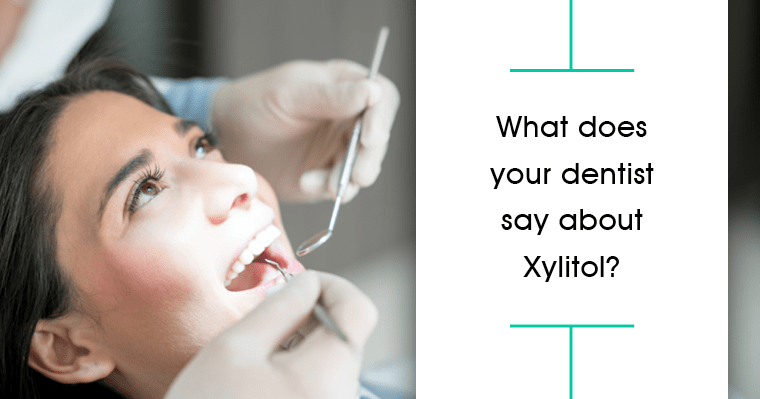
Xylitol can help lower your risk of cavities, but it works best as a tooth-friendly replacement for sugar rather than as a stand-alone cavity treatment. Because the bacteria that cause decay cannot turn xylitol into acid, swapping sugary gum, mints, and snacks for xylitol versions removes a major source of the acid that wears down enamel. The research on how much xylitol reduces cavities on its own is mixed, and the benefits depend heavily on how much you use and how often.
At Harbour Pointe Family Dentistry, patients often ask us about xylitol, and it comes up regularly during our family dentistry visits with parents. Below, we cover what xylitol is, how it affects cavity-causing bacteria, what current research and professional guidelines say, how much you would need, and the cautions worth knowing before you stock up.
What Is Xylitol?
Xylitol is a sugar alcohol, a type of carbohydrate that tastes sweet but is structured differently from table sugar. It occurs naturally in small amounts in many fruits and vegetables, and commercial xylitol is typically processed from birch wood or corn cobs. It has roughly the same sweetness as sugar, which is why it shows up in so many sugar-free gums, mints, candies, toothpastes, and baking products.
Xylitol has been used as a food additive in the United States for decades, and its connection to dental health was first studied in Finland in the 1970s. Today, it is one of the most widely researched sugar substitutes in dentistry, which is part of why dentists talk about it at all.
How Xylitol Works Against Cavity-Causing Bacteria
Cavities form when bacteria in dental plaque, especially a species called Streptococcus mutans, feed on the sugars you eat and release acid as a byproduct. That acid dissolves minerals from your tooth enamel, and repeated acid attacks over time can lead to plaque buildup, enamel erosion, gum irritation, cavities, and eventually tooth loss. Xylitol interrupts that cycle in a few ways:
- Bacteria cannot ferment it. Oral bacteria are not able to break xylitol down into acid, so replacing sugar with xylitol removes fuel for the acid attacks that cause decay.
- It may reduce harmful bacteria. Researchers believe xylitol lowers counts of Streptococcus mutans and the lactic acid they produce in plaque and saliva, with minimal effect on normal oral bacteria.
- Chewing it boosts saliva. Xylitol gum and mints stimulate saliva flow, which rinses away food particles, buffers acid, and helps return minerals to weakened enamel.
That last point matters more than many people realize. Saliva is one of your mouth’s best natural defenses, and you can read more about how it protects teeth in our post on why saliva is your mouth’s natural cavity fighter.
What the Research Says About Xylitol and Cavities
The science behind xylitol is promising but not settled. The 2024 edition of the American Academy of Pediatric Dentistry (AAPD) policy on xylitol, which the AAPD retired from its current policies in July 2025, summarized the research this way: some studies have shown meaningful reductions in cavities when people consumed xylitol several times a day, while other studies, systematic reviews, and meta-analyses show mixed results. That policy also noted that intake spread across fewer than three times a day showed no protective effect in the studies it reviewed.
Figures summarized from the American Academy of Pediatric Dentistry Policy on Use of Xylitol in Pediatric Dentistry (2024 edition, retired July 2025).
The AAPD also points out that many xylitol studies had design limitations, such as small sample sizes or inconsistent methods, and that the high dose and frequency used in clinical trials may be hard to keep up in everyday life. Its position in that edition was that xylitol and other sugar alcohols are worth supporting as noncariogenic sugar substitutes, meaning they do not contribute to decay, while the evidence for xylitol as a primary cavity-prevention tool is still inconsistent.
What the Cochrane Review Found
The most widely cited independent summary of the clinical trials is a 2015 Cochrane systematic review of 10 randomized trials with 5,903 participants. Its main finding was that, over two and a half to three years of use, a fluoride toothpaste containing 10 percent xylitol may reduce cavities by about 13 percent compared with a fluoride-only toothpaste in children’s permanent teeth. The reviewers rated that evidence as low quality, citing a high risk of bias and the fact that the result came from two studies by the same researchers in the same population.
For the other products studied, including lozenges, sucking tablets, syrups, and wipes, the reviewers judged the evidence too weak to say whether xylitol prevents cavities in infants, older children, or adults. It is worth noticing that the best-supported result came from a toothpaste that already contained fluoride. Fluoride remains the foundation of cavity prevention, and xylitol is best thought of as a possible add-on rather than a replacement.
In practical terms, that means xylitol is a smart swap, not a shortcut. If you already chew gum or reach for mints throughout the day, choosing xylitol versions is an easy win. If you are hoping xylitol will make up for skipped brushing or a high-sugar diet, the evidence does not support that.
How Much Xylitol You Need and Where to Find It
The amount and timing matter more than the product. The strongest results in research came from people using products made with 100 percent xylitol as the sweetener, three to five times a day after meals. When you shop, check the amount of xylitol per piece rather than per serving, and look at whether xylitol is the first sweetener listed or is mixed with other sweeteners such as sorbitol or aspartame. You can find xylitol in several forms:
Xylitol also appears in some toothpastes, mouth rinses, and lozenges. These can add small amounts across the day, although it is harder to know exactly how much you are getting from them.
Xylitol vs. Sugar: How They Compare for Your Teeth
Because xylitol is so often marketed as a healthier sugar, it helps to see how the two actually compare. The table below summarizes the tradeoffs that matter most for your teeth and overall health.
| Xylitol | Table Sugar | |
|---|---|---|
| Feeds acid-producing bacteria | No | Yes |
| Calories | About 40 percent fewer | Full calories |
| Effect on blood sugar | Smaller rise, but not zero | Larger rise |
| Digestive comfort | Can cause gas or loose stools at higher doses | Usually well tolerated |
| Safety around dogs | Toxic to dogs | Not toxic |
The biggest dental advantage is the first row. Every time you choose xylitol over sugar, you skip one of the acid attacks that slowly break down enamel.
What Are the Facts You Should Know About Xylitol?
Xylitol is generally safe for people, but a few cautions are worth knowing before you make it a daily habit.
Natural Doesn’t Mean Unprocessed
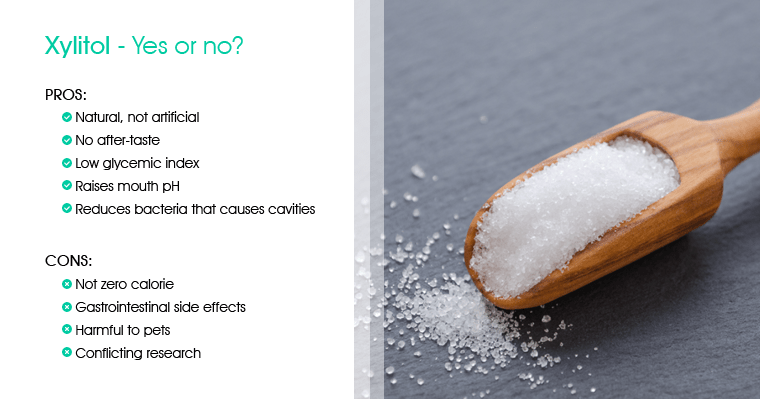
Although xylitol occurs naturally in fruits and vegetables, the xylitol in gum, mints, and baking products is extracted and highly processed. Commercial xylitol is typically made from hardwood such as birch or from corn cobs, and product labels do not always say which source was used.
Xylitol Is Not Zero Calorie
Xylitol has about 40 percent fewer calories than sugar, but it is not calorie-free. It raises blood sugar less than table sugar does, although it can still have some effect, so people with diabetes should factor it into their overall carbohydrate intake and check with their physician if they have questions.
Xylitol Can Cause Gastrointestinal Issues
Like other sugar alcohols, xylitol draws water into the intestines, which can cause gas, bloating, and diarrhea, especially at higher doses. People with sensitive digestion or conditions such as IBS may want to use it cautiously or talk to their physician first. Introducing xylitol gradually over a week or more can help your body adjust.
Xylitol Is Dangerous for Pets
Keep xylitol products well out of reach of your dog, and avoid sharing any food that contains it. According to the U.S. Food and Drug Administration, xylitol triggers a rapid insulin release in dogs that can cause a dangerous drop in blood sugar, and even small amounts can be serious. If your dog eats something containing xylitol, contact your veterinarian or an animal poison control center right away.
Is Xylitol Safe for Kids?
Xylitol is considered safe for children in appropriate amounts, and it can be a useful way to cut down on sugary treats. For toddlers and young children, syrups or wipes are safer than gum or hard mints because of choking risk. The AAPD’s 2024 policy noted that evidence on the right age, frequency, and dose for preventing early childhood cavities is still inconsistent, as is the evidence on whether a parent’s xylitol use reduces the transfer of cavity-causing bacteria to their child.
For most families, the best approach is to use xylitol as one tool alongside fluoride toothpaste, limited snacking, and regular checkups. Our children’s dentistry team is happy to talk through whether xylitol makes sense for your child.
A Multi-Faceted Approach to Cavity Prevention
So, does xylitol prevent cavities? The honest answer is that it can help, particularly when it replaces sugar you would otherwise eat, but it is not a substitute for the basics. It would be extreme to say that chewing xylitol gum will ever replace daily brushing and routine visits to your dentist, and it would be just as unbalanced to claim that xylitol has no benefits at all.
Caring for your family’s oral health involves educating yourself on trending topics, prioritizing regular visits to your dentist, promoting a healthy diet, and maintaining a routine of brushing and flossing. Professional dental cleanings remove the hardened plaque that brushing and xylitol cannot, and routine dental exams catch early enamel changes while they can still be managed conservatively.
If a cavity does form, catching it early usually means a smaller, simpler repair, such as tooth-colored metal-free fillings. What we can say with certainty is that your dentist and hygiene team are always here to put your smile first.
Dr. Kris A. Johnson has cared for families in Mukilteo since 1990, and our team takes the time to explain the “why” behind every recommendation, from xylitol and fluoride to how often you need a cleaning. We would rather help you prevent a cavity than treat one, and our hygiene program is built around that goal.
If you have questions about xylitol, your cavity risk, or the right prevention plan for your family, we would be glad to help. Contact Harbour Pointe Family Dentistry to schedule your next visit.
Frequently Asked Questions About Xylitol and Cavities
Does xylitol really prevent cavities?
Xylitol can help lower cavity risk because the bacteria that cause decay cannot turn it into acid. Some studies show fewer cavities with frequent daily use, but overall research is mixed and a Cochrane review rated the evidence as low quality, so xylitol works best as a replacement for sugar alongside brushing, flossing, and regular dental visits.
How much xylitol should I have per day for my teeth?
Studies with the best results used a total of about 5 to 10 grams per day, split into three to five exposures after meals. Using xylitol fewer than three times a day showed little benefit. Check the label for xylitol content per piece, since many products contain much less than you might expect.
Is xylitol gum better than regular sugar-free gum?
Any sugar-free gum helps by stimulating saliva, which rinses away food and buffers acid. Xylitol gum may offer an added benefit because xylitol is believed to reduce levels of cavity-causing bacteria. Look for gum that lists xylitol as the first or main sweetener.
Are there side effects of xylitol?
Xylitol is well tolerated at moderate amounts, but larger doses can cause gas, bloating, or diarrhea. Starting slowly helps your body adjust. It is also highly toxic to dogs, so keep all xylitol products out of their reach.
Can children use xylitol?
Yes, in appropriate amounts. For young children, syrups or wipes are safer than gum or hard candy because of choking risk. Evidence on the ideal age and dose for children is still developing, so ask your dentist whether xylitol fits into your child’s cavity prevention plan.
The content on this blog is not intended to be a substitute for professional medical advice, diagnosis, or treatment. Always seek the advice of qualified health providers with questions you may have regarding medical conditions.
Portions of this article were originally re-posted with permission from Quick Dental Answers.


