
 (425) 348-8484
3 Healthy Foods Surprisingly Bad for Your Teeth
 by Harbour Pointe Family Dentistry
✓ We accept Delta Dental, Primera & most major insurance · Boeing employees welcome View insurance & financing →
Some of the snacks people reach for to eat healthier, like citrus fruit, dried fruit, and popcorn, can be surprisingly hard on teeth. The problem is rarely the nutrition. It is acid that softens enamel, stickiness that holds sugar against your teeth, or hard pieces that can crack a tooth or wedge under the gums.
That does not mean you need to give these foods up. At Harbour Pointe Family Dentistry in Mukilteo, we would much rather help you adjust how and when you eat them. Below are three “healthy” choices that cause more dental trouble than most people expect, why they do, and simple habits that protect your smile. For the broader picture of which foods help or hurt teeth, see our guide to the best and worst foods for your teeth.
Why Healthy Foods Can Still Hurt Your Teeth
Tooth enamel is the hardest substance in the body, but it is vulnerable to acid. When your mouth turns acidic, minerals are pulled out of the enamel surface. Saliva gradually neutralizes the acid and helps restore some of those minerals, but that repair takes time. Two things tip the balance toward damage: acidic foods and drinks that lower the pH directly, and sugary or starchy foods that feed bacteria, which then produce acid of their own.
How often you expose your teeth matters as much as what you eat. Sipping or snacking throughout the day keeps your mouth acidic for longer stretches and gives saliva less time to recover. That is why a glass of juice with breakfast is usually easier on teeth than the same juice sipped over an entire morning.
1. Citrus Fruit and Other Acidic Drinks
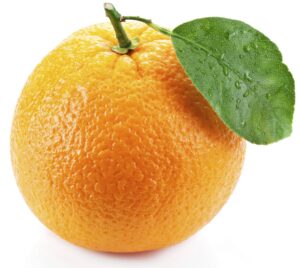
Oranges, grapefruit, lemons, and limes are full of vitamin C, but they are also acidic. Eating an orange now and then is not a problem for most people. Habits that bathe teeth in citrus acid again and again, such as sipping lemon water all day or sucking on lemon wedges, can wear down enamel over time. Worn enamel can lead to sensitivity, a more yellow look as the dentin underneath shows through, and a higher risk of cavities.
The same concern applies to other drinks with a healthy reputation. Fruit juice and fruit smoothies release the fruit’s natural sugars, and many smoothie recipes add juice, honey, or sweetened yogurt. Sports drinks, kombucha, and citrus-flavored sparkling waters are acidic as well.
Tip: Enjoy citrus and acidic drinks with a meal rather than on their own, finish a drink in one sitting instead of sipping it for hours, and rinse with plain water afterward. If your teeth have started to twinge with cold or sweet foods, our post on whether tooth sensitivity is normal explains what that may mean.
2. Dried Fruit and Snack Bars
Dried fruit is often swapped in for candy, but drying concentrates the fruit’s sugar and makes it sticky. Raisins, dried mango, fruit leather, and many granola and energy bars cling to the grooves of the back teeth and the spaces between teeth, giving bacteria a long-lasting food source. Many bars and granolas also contain added sugar, honey, or syrup that is easy to overlook on the label.
Tip: Have dried fruit with a meal instead of grazing on it, pair it with cheese or nuts, and drink water afterward. Fresh fruit is generally the better choice for your teeth because its water content dilutes the sugar and it is less likely to stick.
3. Popcorn
Air-popped popcorn is a whole grain and a lower-calorie snack, but it carries two hazards. Unpopped or half-popped kernels are hard enough to chip or crack a tooth or break an older filling, and the thin hulls easily slip under the gumline, where they can irritate the gums and, if left in place, contribute to a painful infection.
Tip: Check each handful for unpopped kernels, avoid biting down with full force, and floss afterward to remove any hulls. If a hull is stuck under your gum and you cannot remove it, or you notice a crack or sharp edge on a tooth, let our team know rather than waiting for it to get worse.
What About Apples?
Apples are often called “nature’s toothbrush.” Crisp, fibrous fruits and vegetables like apples, carrots, and celery do get you chewing, and chewing stimulates saliva, which helps rinse away food particles and neutralize acid. Apples are still mildly acidic and contain natural sugar, though, so they are a healthy snack rather than a substitute for brushing, flossing, or professional cleanings. Our post on Dr. Johnson’s favorite foods for healthy teeth covers the choices we recommend most.
Simple Habits That Protect Your Teeth
You do not have to cut out healthy foods to keep your smile healthy. A few small adjustments make a real difference:
- Eat acidic or sticky foods as part of a meal instead of snacking on them throughout the day.
- Rinse with water or chew sugar-free gum after snacks to help your saliva do its job.
- Wait a while before brushing after something acidic, since enamel is temporarily softened; many dentists suggest waiting 30 to 60 minutes.
- Brush twice a day with fluoride toothpaste and clean between your teeth once a day.
- Keep up with regular checkups so early enamel wear or a small cavity can be caught before it becomes a bigger problem.
Even with good habits, a stray popcorn hull or a spot your brush keeps missing can catch up with you. Routine dental cleanings and exams give us a chance to spot enamel erosion, sensitivity, and early decay while they are still simple to treat.
Frequently Asked Questions About Healthy Foods and Your Teeth
Is lemon water bad for your teeth?
Lemon water is acidic, so sipping it throughout the day can gradually wear down enamel. Drinking it in one sitting, ideally with a meal, using a straw, and rinsing with plain water afterward all help limit how long your teeth are exposed to the acid.
Is dried fruit as bad for your teeth as candy?
Dried fruit offers fiber and nutrients that candy does not, but it is concentrated and sticky, so it can cling to teeth for a long time and feed cavity-causing bacteria. Eating it with a meal and drinking water afterward reduces the risk.
Should I brush my teeth right after eating fruit?
After acidic fruit or drinks, enamel is temporarily softened, so brushing right away can wear it down. Rinse with water first and wait a while before brushing; many dentists suggest about 30 to 60 minutes.
Can popcorn damage your teeth?
Yes. Unpopped kernels can chip or crack teeth and fillings, and hulls can lodge under the gums and cause irritation or infection. Check for kernels, chew gently, and floss afterward. See your dentist if a hull stays stuck or a tooth feels sharp or painful.
Are fruit smoothies bad for your teeth?
Smoothies can be part of a healthy diet, but blending releases fruit sugars and many recipes add juice or sweeteners. Drinking a smoothie with a meal, finishing it in a reasonable time rather than sipping for hours, and rinsing with water afterward makes it easier on your teeth.
Healthy eating and a healthy smile can go together with a little planning. Dr. Kris Johnson, a University of Washington dental school graduate who has been in private practice in Mukilteo since 1990, and our team are happy to look at your diet and habits with you and suggest changes that fit the way you actually eat.
Contact our Mukilteo dental team to schedule your next checkup and cleaning.


