
 (425) 348-8484
October Is National Dental Hygiene Month: The Whole-Body Benefits of a Healthy Mouth
 by Harbour Pointe Family Dentistry
✓ We accept Delta Dental, Primera & most major insurance · Boeing employees welcome View insurance & financing →
Every October, dental offices across the country recognize National Dental Hygiene Month, an observance supported by the American Dental Hygienists’ Association and Colgate that shines a spotlight on the hygienists who keep our smiles healthy year-round. At Harbour Pointe Family Dentistry, we like to use the occasion as a reminder that oral health is not just about a bright smile. It is tied to your whole body.
Your mouth is often called the gateway to the rest of your body, and for good reason. A healthy mouth supports everything from comfortable eating to clear speech, while a neglected one can contribute to problems well beyond your teeth and gums.
What Is National Dental Hygiene Month?
National Dental Hygiene Month was created to recognize the role hygienists play in preventive care and to encourage better daily habits at home. Recent campaigns have centered on a simple framework often summarized as brush, floss, rinse, and chew, referring to brushing twice daily, flossing once a day, rinsing with an antibacterial mouthwash, and chewing sugar-free gum to help produce saliva between meals. You can read more about the observance from the American Dental Hygienists’ Association and Colgate.
How Your Hygienist Supports More Than Just Your Smile
You have likely met our hygiene team during a routine visit. Oral hygiene appointments go well beyond removing tartar. Our hygienists check for early signs of gum disease, monitor changes in your bite and gum health, and help you troubleshoot problem areas in your at-home routine before small issues turn into bigger ones.
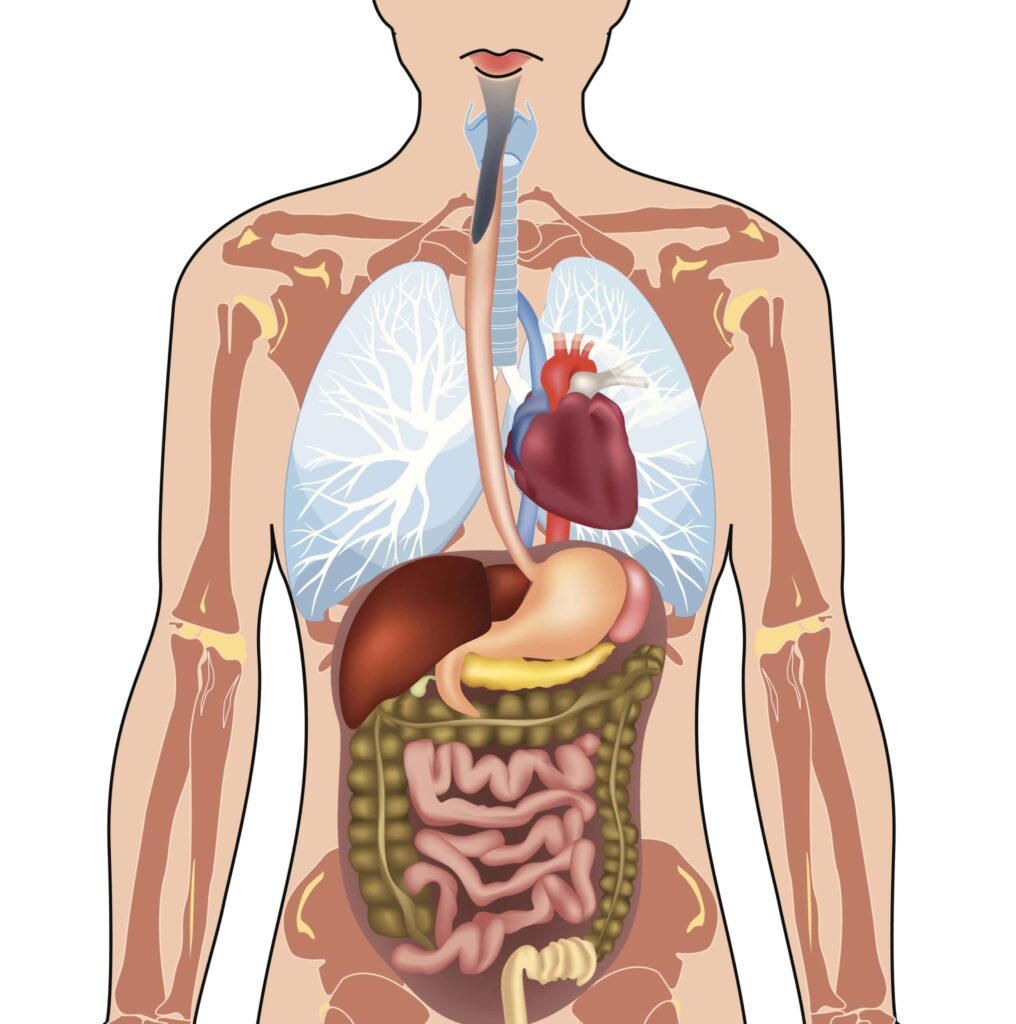
The Mouth-Body Connection
Because your mouth connects to the rest of your body, an unmanaged infection or ongoing inflammation in your gums does not always stay contained. Researchers have found associations between gum disease and a number of other health concerns, including heart disease, diabetes, respiratory infections, and complications during pregnancy. These are associations rather than a guaranteed cause and effect, but the pattern is consistent enough that most dental and medical organizations recommend treating gum health as part of your overall wellness routine, not a separate concern.
Four Daily Habits for a Healthier Mouth
You do not need a complicated routine to protect your smile between visits. Focus on these basics:
- Brush twice a day with a fluoride toothpaste, angling the brush toward the gumline.
- Floss once a day to remove plaque and food particles that a toothbrush cannot reach between teeth.
- Rinse with an antibacterial, alcohol-free mouthwash to reduce plaque and gingivitis-causing bacteria.
- Chew sugar-free gum after meals when you cannot brush right away, since it helps stimulate saliva flow.
Consistency matters more than intensity. A few minutes twice a day will do more for your long-term oral health than an occasional deep clean.
Show Your Hygienist Some Appreciation
If you are due for a visit, October is a good excuse to schedule one and say thank you to the team that keeps your smile on track. A kind word goes a long way, and so does showing up for your regular cleaning.
Frequently Asked Questions About National Dental Hygiene Month
What is National Dental Hygiene Month?
It is an annual October observance supported by the American Dental Hygienists’ Association and Colgate that recognizes dental hygienists and promotes daily habits like brushing, flossing, rinsing, and chewing sugar-free gum.
How often should I see a dental hygienist?
Most patients benefit from a professional cleaning twice a year. Patients with gum disease, a higher cavity risk, or certain health conditions may need more frequent visits, which your dentist can recommend based on your history.
Can gum disease really affect the rest of my body?
Research has found associations between untreated gum disease and health concerns such as heart disease, diabetes, respiratory infections, and pregnancy complications. The relationship is not fully understood, but it is one more reason to keep gum health on your radar.
What are the four daily habits hygienists recommend?
Brush twice a day, floss once a day, rinse with an antibacterial alcohol-free mouthwash, and chew sugar-free gum after meals when brushing is not possible. Together these habits address plaque, bacteria, and saliva production throughout the day.
What happens during a professional dental cleaning?
A hygienist removes plaque and tartar buildup that brushing at home cannot reach, checks your gums for early signs of disease, and often polishes your teeth. Many visits also include a review of your at-home routine and any problem areas.
Whether it has been six months or a few years since your last cleaning, our hygiene team is ready to help you get back on track without judgment.
Contact our Mukilteo office to schedule your next hygiene appointment.


