
 (425) 348-8484
How to Prepare for a Dental Crown Procedure: What to Expect Before, During, and After
 by Harbour Pointe Family Dentistry
✓ We accept Delta Dental, Primera & most major insurance · Boeing employees welcome View insurance & financing →
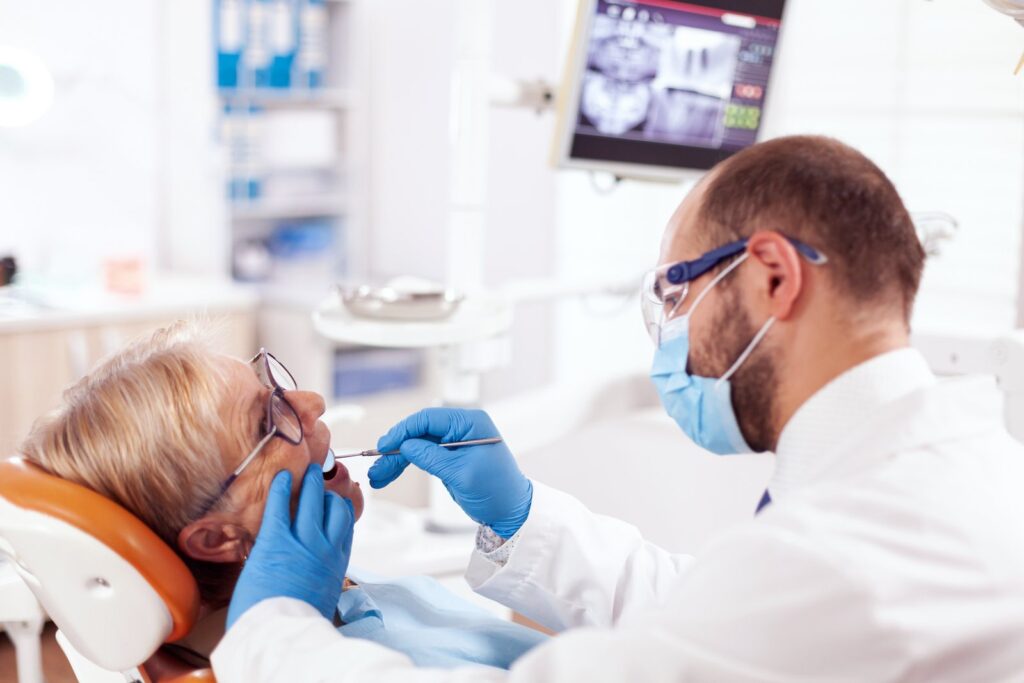
Finding out you need a dental crown can bring up a lot of questions, especially if you have never had one placed before. You might wonder how much of your natural tooth will be removed, whether the procedure will hurt, or how long it will take before you can eat normally again. These are common concerns, and knowing what happens at each stage can make the entire process feel far less intimidating.
At Harbour Pointe Family Dentistry, we walk every patient through their crown procedure step by step so nothing feels like a surprise. Below, we cover what to expect before your appointment, during the procedure itself, and in the days that follow so you can walk in feeling prepared and walk out with a healthy, restored smile.
Getting Ready for Your Appointment
The days leading up to a crown placement matter more than most patients realize. A little preparation can help the appointment go smoothly and set you up for an easier recovery.
What Happens at the Consultation?
Before any crown work begins, we will examine the tooth and may take digital images to check for decay below the surface or damage to the surrounding bone. This step helps us confirm that a crown is the right fix and lets us plan exactly how much of the tooth structure needs to be reshaped. Our office uses an iTero intraoral scanner to create a digital impression of your teeth instead of the traditional putty mold, which tends to be more comfortable and produces a more precise fit for your new crown.
How to Prepare Beforehand
Eating a full meal before your appointment is a good idea since your mouth may feel numb for a few hours afterward, making chewing difficult. If you take blood thinners or have a medical condition that could affect healing, let us know in advance so we can plan accordingly. It also helps to arrange a ride home if you expect to feel groggy from any sedation, and to clear your schedule for some downtime immediately after the visit.
What Happens During the Crown Placement Procedure?
Once you arrive, the process moves through a few clear stages. Understanding each one can ease any nerves about the unknown.
We start by numbing the area around the tooth so you stay comfortable throughout. From there, we reshape the tooth to make room for the crown, removing any decay and trimming the surface so the crown fits properly over what remains. After reshaping, we take a digital scan or impression of the tooth and surrounding teeth, which we use to design a crown that matches your bite and blends with your smile. While we make your permanent crown, we place a temporary crown to protect the tooth and keep you comfortable in the meantime.
Many patients want to know how a crown is different from other restorative options, particularly a root canal. A root canal treats infected or damaged pulp inside the tooth, and a crown is often placed afterward to protect the tooth and restore its strength. According to MedlinePlus, a permanent restoration such as a crown is typically needed to help a tooth withstand the force of chewing once the canals have been cleaned and filled. If you have an infected tooth rather than one that is simply worn or cracked, our root canal therapy page explains what that treatment involves.
Caring for Your Tooth After the Crown Is Placed
The days right after your appointment set the stage for how well your new crown settles in. A few simple habits can help protect your investment for years.
The First Few Days
Some sensitivity to hot or cold is normal for the first few days, especially around the gum line near the crown. Sticking to softer foods and chewing on the opposite side of your mouth can help you avoid putting too much pressure on the area while it settles. If you were fitted with a temporary crown first, avoid sticky or chewy foods that could pull it loose before your permanent crown is ready.
Long-Term Care
Once your permanent crown is in place, brush and floss as usual to keep both the crown and the surrounding gum tissue healthy. We recommend being mindful of habits like chewing ice or grinding your teeth at night, since these put extra stress on a crown and can shorten its lifespan. Regular checkups help us catch issues early, whether that means a loose crown or decay forming at the edges where the crown meets the natural tooth.
Schedule Your Crown Consultation Today at Harbour Pointe Family Dentistry
A well-placed crown can last many years with the right care, and knowing what to expect from start to finish makes the entire process feel much more manageable. For 35 years, Dr. Kris Johnson and the team at Harbour Pointe Family Dentistry have helped patients throughout Mukilteo protect and restore their smiles with modern technology and a comfortable, unhurried approach.
If you think you may need a crown or want to talk through your options, we would be glad to help you figure out the best path forward. Reach out through our contact form to schedule a visit, and we will walk you through insurance coverage, financing, and what your specific procedure will look like.