
 (425) 348-8484
TMJ and Teeth Grinding: When Jaw Pain Signals a Bigger Problem
 by Harbour Pointe Family Dentistry
✓ We accept Delta Dental, Primera & most major insurance · Boeing employees welcome View insurance & financing →
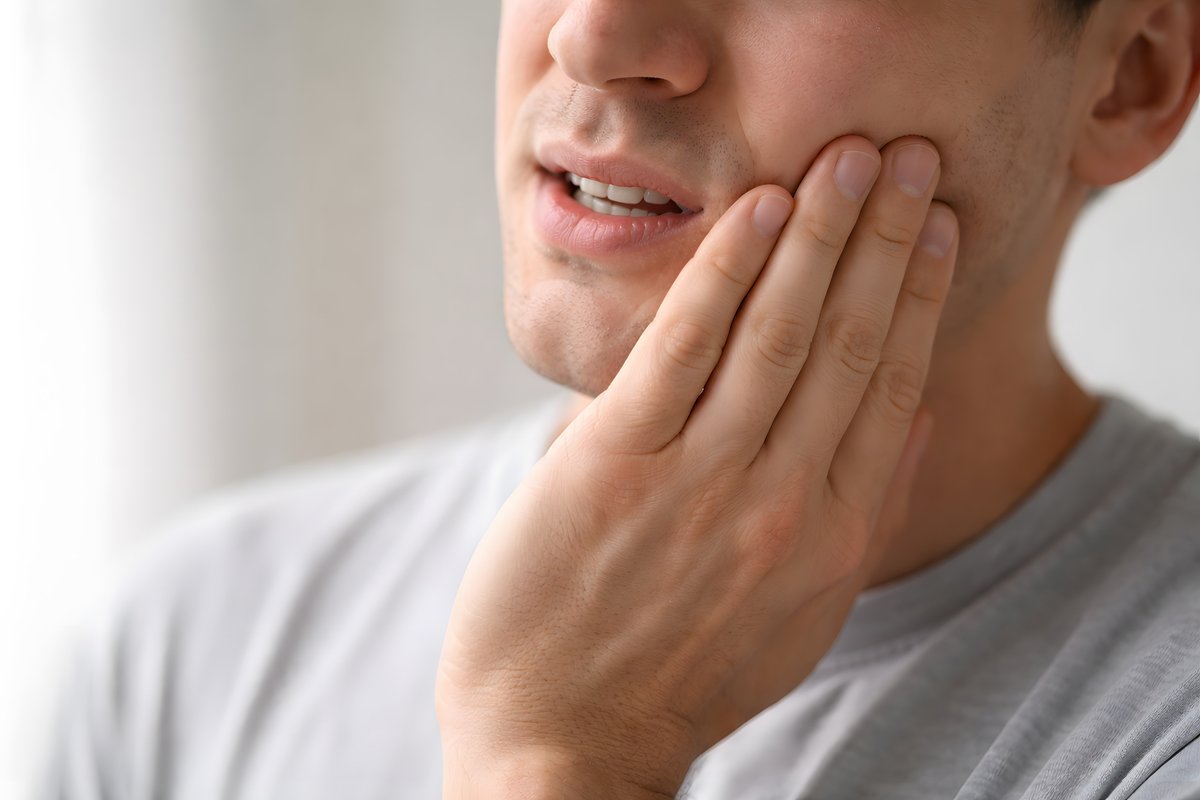
You wake up with a sore jaw, a dull ache near your ears, or a headache that seems to arrive before breakfast. Maybe your jaw clicks when you chew, or a family member mentions a grinding sound at night. It is easy to blame stress or a rough night of sleep, yet these signs can point to something that deserves a closer look.
Harbour Pointe Family Dentistry has cared for Mukilteo patients since 1990, and our family dentistry team regularly helps people sort out what is behind jaw discomfort. Below, we explain how teeth grinding and jaw joint problems connect, which signs deserve attention, and which steps may bring relief.
How Teeth Grinding and TMJ Problems Are Connected
Your temporomandibular joints, or TMJs, sit in front of each ear and connect your lower jaw to your skull. According to the National Institute of Dental and Craniofacial Research, temporomandibular disorders are a group of more than 30 conditions that cause pain in the jaw joint and the muscles that move your jaw. They affect about 5% of adults in the United States.
Grinding and clenching your teeth, known as bruxism, may add steady strain to those same muscles, especially while you sleep and cannot control it. The exact cause of jaw joint problems is often unclear, since genes, stress, and how a person senses pain may all play a part. Dentists often ask patients to reduce clenching habits when jaw discomfort shows up, because easing that strain is a simple place to start.
Signs Your Jaw Pain Deserves Attention
Clicking or popping in your jaw without pain is common and usually does not need treatment. Other symptoms are worth mentioning to your dentist, including the following:
- Pain in the jaw joint or chewing muscles that may spread to your face or neck
- Jaw stiffness, limited movement, or a jaw that locks
- Painful clicking, popping, or grating when you open or close your mouth
- Ringing in the ears or dizziness
- A change in how your upper and lower teeth fit together
Grinding can also leave clues in your mouth, such as flat or chipped teeth, worn enamel, and sensitivity to hot or cold. During a routine dental exam, we look for these changes, which may help us spot a grinding habit before it causes bigger damage.
Why Early Attention Helps Protect Your Teeth
Enamel does not grow back once it wears away, so steady grinding can leave teeth more sensitive and more likely to crack over time. When damage does happen, our team can talk with you about repair options, which may range from a metal-free filling to a dental crown. Catching the habit early may keep treatment simpler and your smile more comfortable.
Simple Steps That May Bring Relief
Many jaw problems are temporary, so conservative steps are often the best place to begin. You may want to try these at home and mention them at your next visit:
- Eat softer foods and avoid chewing gum while your jaw recovers
- Ask us about applying heat or cold to your face along with gentle jaw exercises
- Notice and reduce habits like jaw clenching and nail biting
- Practice meditation or other relaxation techniques
Over-the-counter pain relievers may also help, so check with your dentist or doctor about what suits you. If a nightguard is suggested, it should protect your teeth without permanently changing your bite, and the evidence that it eases jaw pain is limited. Our earlier post on finding relief from teeth grinding shares more everyday tips.
Treatments that permanently change your teeth, bite, or jaw joints deserve extra caution. Current research does not support a bad bite as a cause of jaw joint disorders, and some of these approaches may make problems worse, so a second opinion is always reasonable before anything irreversible.
When to Visit Your Dentist
Schedule a visit if pain keeps returning, chewing hurts, or your jaw feels stiff or catches when you open it. Pain in the mouth, jaw, or face is not always a jaw joint problem, so your dentist may need to rule out other causes first.
If your jaw locks suddenly or the pain is severe, reach out to us right away, since our emergency dentist services are there for urgent needs.
Schedule Your Visit With Harbour Pointe Family Dentistry
Jaw pain and teeth grinding deserve a closer look, and you do not have to sort them out on your own. Dr. Kris A. Johnson has been practicing cosmetic and family dentistry in Mukilteo since 1990, and our team combines that experience with a relaxing, spa-like office and the latest in dental technology.
During your visit, we can examine your teeth and jaw, talk through your symptoms, and discuss conservative options that fit your needs. Use our contact form to request an appointment with Harbour Pointe Family Dentistry, and enjoy a warm paraffin hand dip during treatment, on us.